Black Friday sales growth boosted by inflation
Preliminary reports indicate that Black Friday shopping set a new record, although the increase over year-ago results appears to have been driven largely by inflation.
Data indicate that lower-income consumers continue to cut back on their purchases while higher-income consumers splurge despite higher prices.
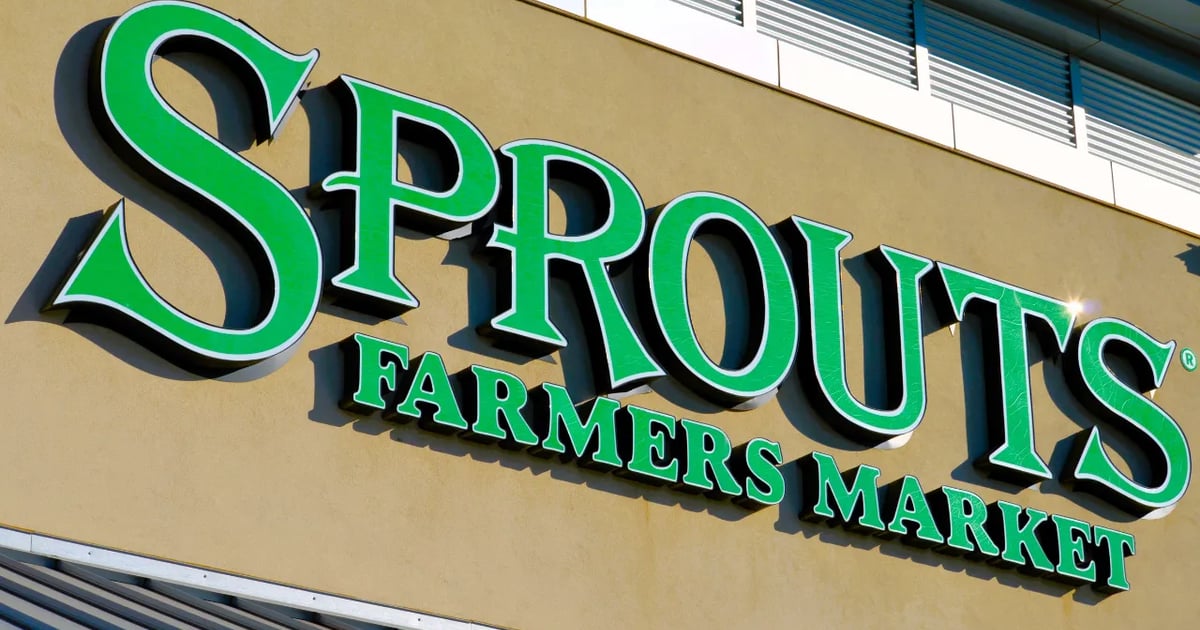
Research from Pass_by, a firm that analyzes retail foot traffic, showed that Black Friday foot traffic was up 11.5% at Whole Foods and 5.5% at Sprouts, while traffic at more traditional supermarkets was relatively flat. Safeway saw a 1.5% increase in traffic, and Food Lion traffic was down 0.4%, for example. Grocery stores overall saw a 1.69% increase in traffic, the research found.
“The data suggests consumers were visiting stores not just for staples, but for event food-charcuterie, wine and premium ingredients,” the report concluded, noting that Black Friday is “increasingly becoming a hosting holiday.”
Black Friday sales up 4.1%
Total U.S. Black Friday sales rose an estimated 4.1% compared with last year, according to a Mastercard Spending Pulse report. However, overall retail foot traffic was down, according to some reports, and consumers purchased fewer items than last year.
Meanwhile online spending jumped 9.1% over last year’s levels, reaching $11.8 billion, according to Adobe Analytics. The company predicted that total holiday spending will increase by about 5.1% this year, to $253.4 billion.
Forecasts have been mixed for this holiday season as consumers have been under pressure from widespread cost increases and worries about a potential economic downturn.
RetailNext, another provider of retail in-store traffic analytics, reported that Black Friday foot traffic in retail stores was down 3.6% across the U.S. compared with a year ago, and down an even sharper 8.6% on Saturday, for an overall decline of 5.3% for those two key shopping days. Part of that decline appeared to be triggered by winter storms in the Midwest, as foot traffic in that region was down 42.1% on Saturday and 17% for Friday and Saturday combined.
“Black Friday 2025 didn’t kill the holiday; it changed how shoppers approached it,” said Joe Shasteen, global head of advanced analytics at RetailNext. “Shoppers showed they’re done with the impulse-driven, one-day frenzy. Prices, tariffs and tighter budgets pushed people to shop with discipline, not adrenaline, and they responded by turning Black Friday into a value calculation.”
Shoppers also appeared to shun big-ticket items and discretionary purchases in favor of essentials such as apparel, he said. Categories including home goods and footwear showed sharp declines compared with a year ago, perhaps a reflection of the price impact of tariffs on those products, Shasteen said.
Declines in health and beauty categories, which saw traffic down 9.6% compared with a year ago, also reflect a consumer shift toward focusing on essentials, he said.
Pass_by, however, estimated that overall retail store visits rose 1.17%, this year, driven by a 7.9% increase at department stores.
link